

Southern Italy protests and the human cost of disrupted food supplies.

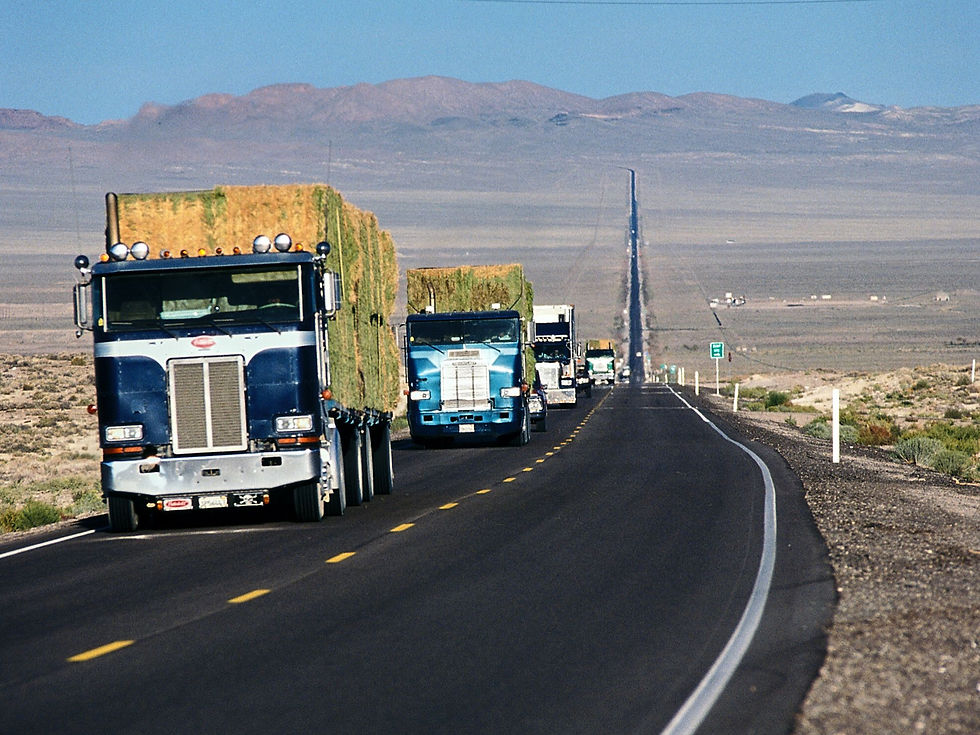
A wave of truck drivers’ protests across southern Italy intensified in October 2026 as workers mobilised against rising fuel prices and transport costs. The demonstrations disrupted roads and deliveries across Sicily, Calabria and Campania. On 20 October 2026, Transport Minister Matteo Salvini announced financial assistance for hauliers to mitigate the crisis. On 21 October 2026, retailers warned of food shortages as fresh produce, milk and meat were stranded in trucks and warehouses. The disruption also affected industrial production, with pasta producer Rummo suspending production after running out of raw materials. These difficulties were compounded by rising fuel prices linked to the war in Iran, which increased pressure on transport operators.
The consequences extended beyond transport companies and retailers. Disrupted fuel supplies and deliveries affected essential services and raised concerns about access to healthcare, with reports of disruption to hospital supplies and fuel deliveries to airports in Calabria. People who depend on reliable food supplies and access to essential services can bear the costs of industrial action despite having no direct involvement in the dispute. The challenge for public authorities is to address these economic grievances without disregarding the effects of roadblocks on the wider population.
The government responded with financial support and measures to restore the movement of essential goods. On 22 October 2026, it approved additional assistance for hauliers, agricultural enterprises and the fisheries sector. The government's aid package included tax credits for transport operators while authorities faced pressure to restore the flow of essential goods. Following negotiations with transport representatives, some groups began easing or suspending their blockades, including hauliers in Sicily and Calabria.
Article 11 of the European Convention on Human Rights protects freedom of peaceful assembly in States Parties to the Convention. Restrictions on this right must be prescribed by law, pursue one or more of the legitimate aims listed in Article 11(2) of the Convention, and be necessary in a democratic society. These legitimate aims explicitly include national security or public safety, the prevention of disorder or crime, the protection of health or morals, alongside the protection of the rights and freedoms of others. The Council of Europe’s guidance on freedom of assembly explains that public authorities have positive obligations to take active steps to facilitate peaceful demonstrations. At the same time, the official Guide on Article 11 of the European Convention on Human Rights recognises that serious disruption to ordinary life, economic activities and traffic may be relevant when assessing whether law enforcement restrictions are justified. The circumstances of each protest must be considered individually, focusing heavily on the nature of the disruption alongside the actual measures taken by the authorities.
The events in southern Italy demonstrate the practical difficulty of balancing these responsibilities. The right to peaceful assembly must be considered alongside the authorities’ responsibility to protect public order and the rights of others. The European Convention on Human Rights provides the legal framework for assessing restrictions on this right, while Human Rights Watch offers broader context on civil liberties in Italy. However, these general assessments do not establish that the authorities violated protesters’ rights during this specific mobilisation.
Ultimately, the right to protest and the protection of the wider population should not be treated as opposing goals. A rights-based response must allow workers to express collective grievances while ensuring public order measures respect freedom of assembly and citizens retain access to essential goods.
written by Ilenia Perreca


Comments