

GHG emissions: significant progress coming from the European Union.

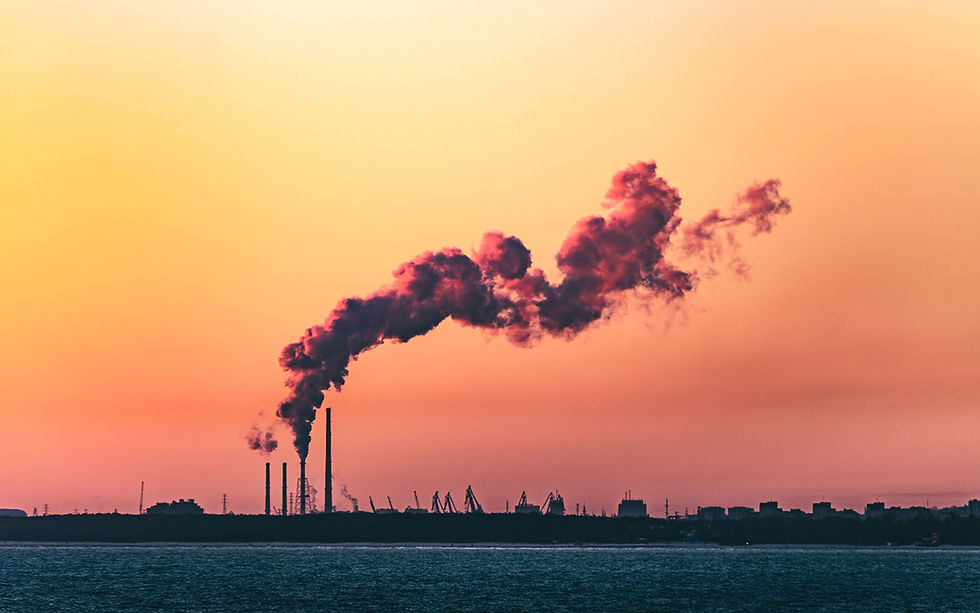
According to the European Environment Agency (EEA), the European Union’s greenhouse gas emissions decreased by 40% since 1990, with a further 3% reduction between 2023 and 2024. As of now, the European Union constitutes 5% of global greenhouse gas emissions. Since 1990, there has been a steady decoupling of gross domestic product (GDP) from emissions in the EU, indicating that the latter has become more efficient in using its resources.
The key driver sector that has contributed most to this reduction in emissions is the energy sector: indeed, emissions from electricity and heat production have fallen by 58% since 1990. This is due to improved efficiency, meaning that today we need fewer resources to produce the same amount of energy than we did in 1990, but also thanks to “a clear move from carbon-intensive fuels such as coal, towards less carbon-intense natural gas and renewable energy sources, such as solar and wind”. Furthermore, this process leads to improved air quality and more energy security.
As a matter of fact, “the total energy supply from renewable energy sources in the EU has almost quadrupled between 1990 and 2024; renewables currently account for 25% of the energy consumed in the EU”, as reported by Eurostat. As of now, while this represents a major step, it is still far from the final objective: indeed, “the EU has a binding target of a minimum 42.5% share of renewable energy in the energy mix by 2030”.
Nonetheless, the significant reduction in the EU’s GHG emissions since 1990 has been made possible by the implementation of numerous policies and measures by the Member States. Among these, the EU Emissions Trading System (ETS) represents a crucial cornerstone: “it is the world’s first carbon market, launched in 2005, and remains one of the largest globally; it requires polluters to pay for their greenhouse gas (GHG) emissions, bringing overall EU emissions down while generating revenue to finance the clean transition;
However, several critical issues remain, particularly in non-energy sectors, as “road transport emissions rose for both passenger and freight modes despite more efficient and electric vehicles, as growth in transport demand outpaced those gains”. In general, the effects observed in these sectors appear to be modest, but “the actual emission reductions have been substantial since 1990, including a 42% reduction in emissions in the EU for methane (CH4) and 40% for nitrous oxide (N2O)”.
Overall, the EU's experience demonstrates that substantial emissions reductions can be achieved alongside economic growth through a combination of technological change, renewable energy deployment, market-based instruments, and targeted climate policies. However, reaching the EU's long-term climate neutrality objectives will require accelerating emissions reductions in sectors where progress has been slower, particularly transport, buildings, and agriculture.
written by Alice Scotti


Comments